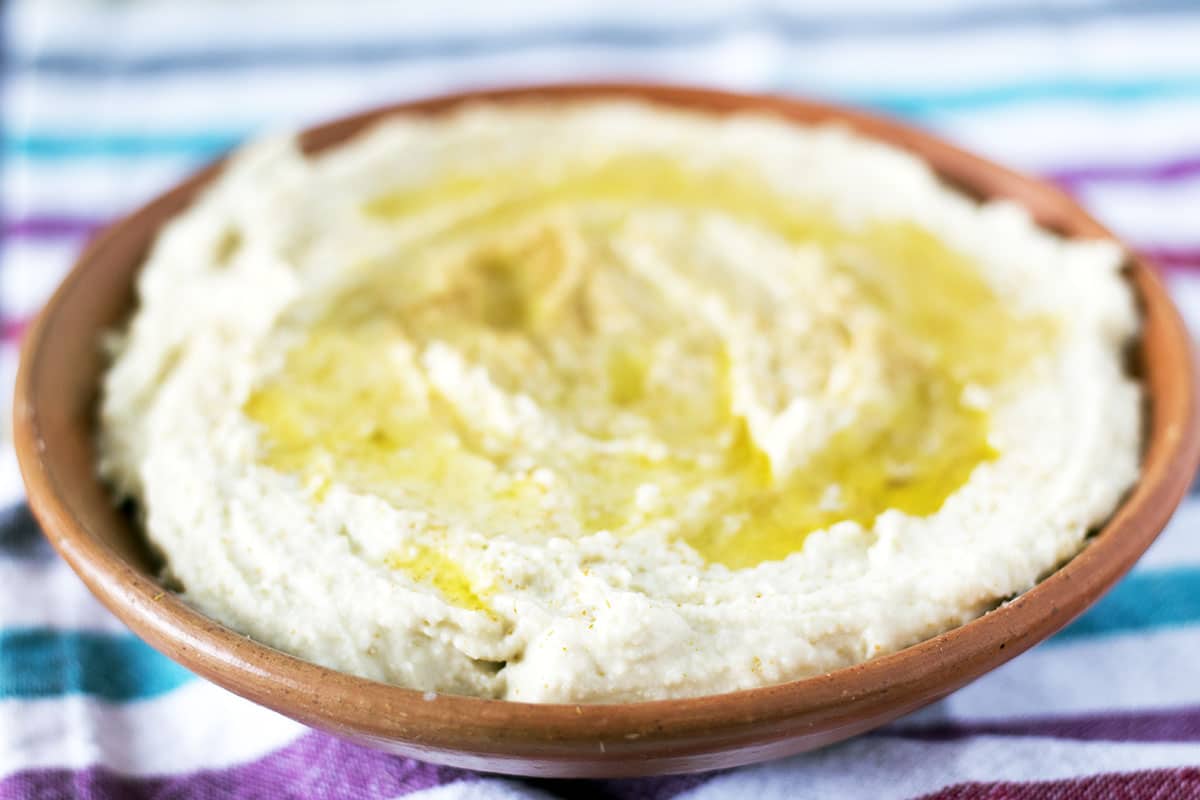
The Art of Fava Bean Hummus: Embracing Starchy Beans for Superior Flavor and Texture
While chickpea hummus holds a beloved place in global cuisine, venturing into the world of fava bean hummus offers a delightful and distinctive culinary experience. This vibrant green spread, sometimes called fava bean puree, delivers a fresh, nutty flavor and a wonderfully creamy texture that sets it apart. But achieving that perfect, robust consistency often hinges on a crucial detail: selecting the right fava beans. For a truly exceptional fava bean hummus, we turn our attention to late-season, starchier beans – a secret shared by culinary experts like Chef Traci Des Jardins. This guide will walk you through crafting a delicious batch, emphasizing the unique characteristics of these mature legumes and how to prepare them for an unforgettable appetizer or light meal.
Why Late-Season Fava Beans Make the Best Hummus
The secret to a deeply satisfying fava bean hummus lies in the maturity of the beans themselves. As fava beans (also known as broad beans) progress through their growing season, they undergo a transformation. Early-season fava beans are typically smaller, sweeter, and more tender, sometimes even enjoyed raw. However, for a hummus that boasts a rich, substantial body and complex flavor, late-season fava beans are the undisputed champions. These beans are larger and have developed a higher starch content, a characteristic that is vital for the desired texture.
Think of it this way: just as a ripe potato yields a creamier mash, mature fava beans, with their increased starch, create a remarkably smooth, thick, and satisfying puree. This natural starch helps bind the hummus, preventing it from becoming watery and instead giving it that desirable mouthfeel that makes it perfect for spreading on crostini or dipping with warm bread. Embracing the starchiness of late-season beans ensures your fava bean hummus is not just fresh and flavorful, but also incredibly hearty and fulfilling. For more on the health benefits of this legume, check out Beyond Chickpeas: Discover the Benefits of Fava Bean Hummus.
The Essential Prep: Shelling, Blanching, and Skinning Favas
Preparing fresh fava beans is an exercise in patience and precision, but the vivid green result is well worth the effort. There are two primary layers to navigate: the sturdy outer pod and the thin inner skin surrounding each bean. Let's break down the process:
1. Shelling the Pods
Fava beans come encased in thick, often fibrous pods that can be 5-6 inches long. Removing the beans from these pods is the first step. You can hold the pod firmly in one hand and use your thumb to bend and pull the stem end down its length. This action often "unzips" the pod, much like unzipping a jacket, allowing you to easily pull away the fibrous strings along the sides. Inside, the flat, inch-long beans are lightly attached to a fuzzy interior and can be gently released by sliding your thumb along the pod's length.
2. Blanching for Skin Removal
Once shelled, each individual fava bean is still covered by a surprisingly thick, slightly bitter skin or membrane. To remove this, blanching is essential:
- Bring a large pot of water to a rolling boil over high heat.
- Carefully plunge the shelled fava beans into the boiling water. The goal here is to loosen the skin, not to cook the beans through. A brief plunge (1-2 minutes) is often sufficient, as suggested by Chef Traci Des Jardins. Some recipes might suggest up to 8 minutes, followed by an ice bath, which is also effective for skin removal.
- Once blanched, immediately drain the hot beans. For easier handling and to stop the cooking process, transfer them to a bowl of ice water. This rapid temperature change helps the skins separate from the vibrant green beans inside.
3. Skinning (Peeling) the Beans
This is arguably the most meticulous part, but also the most rewarding as it reveals the beautiful, bright green bean. After blanching and chilling, the skins should be soft and pliable:
- Pick up an individual bean. You'll find it helpful to make a small nick at one end of the bean's skin with your thumbnail or a paring knife.
- Then, gently squeeze from the opposite end. The brilliantly green fava bean should pop right out!
- Repeat this process for all your beans. It can be meditative once you get into a rhythm.
Pro Tip: As you work, remember to reserve about a cup of the cooking liquid from the blanching process. This liquid can be invaluable later for adjusting the consistency of your hummus. For more detailed tips on this step, refer to Homemade Fava Bean Hummus: Essential Tips for Peeling Skins.
Crafting the Perfect Puree: From Pot to Processor
With your beautifully skinned fava beans ready, it's time to transform them into a luscious hummus. There are a couple of approaches, but for fava bean hummus made with starchy beans, a gentle cooking process is often preferred to fully tenderize them and unlock their full flavor potential.
Chef Traci Des Jardins' Starchy Bean Method:
This method, favored for its ability to create a deep, integrated flavor and perfect texture from starchy, late-season beans, involves cooking the beans directly with olive oil:
- Place your blanched and skinned fava beans in a heavy-bottomed pan.
- Add a generous amount of high-quality extra-virgin olive oil (about 1 cup for 6 lbs of shelled beans), a good pinch of salt, and approximately 1/2 cup of water.
- Bring the mixture to a boil over medium-high heat.
- Once boiling, reduce the heat to low, cover the pan, and let it simmer for about 30 minutes. This slow cooking allows the starchy beans to tenderize thoroughly and absorb the rich flavors.
- After 30 minutes, remove the lid. Continue to cook, stirring frequently and mashing the beans with the back of a spoon or a potato masher, until most of the moisture has evaporated and the beans have formed a smooth, thick puree. The consistency should be spreadable but robust.
- Taste and adjust seasoning with additional salt and freshly ground pepper as needed.
The Food Processor Method (for already tender or pre-cooked beans):
If your fava beans are already tender from an initial cook or you prefer a slightly faster blending process, a food processor can achieve an incredibly smooth result:
- Once your blanched and skinned fava beans are tender (either from Des Jardins' method or a separate boil until tender), transfer them to a food processor.
- Add a good quality extra-virgin olive oil, a peeled garlic clove (the processor will chop it for you), a squeeze of fresh lemon juice for brightness, and a pinch of salt.
- Pulse the ingredients until smooth.
- If the mixture is too thick, gradually add some of the reserved fava bean cooking liquid (or plain water) a tablespoon at a time, until you reach your desired creamy consistency.
- Taste and adjust seasonings. You might find it needs more salt, pepper, or lemon juice to truly sing.
Using a high-quality extra-virgin olive oil is paramount, as its flavor will shine through in this simple preparation.
Elevating Your Fava Bean Hummus: Flavor & Serving Ideas
Once you've achieved the perfect consistency for your fava bean hummus, it's time to fine-tune its flavor and consider how you'll present this garden-fresh delight.
Seasoning and Enhancements:
- Salt and Pepper: These are fundamental. Don't be shy with good quality sea salt and freshly ground black pepper.
- Lemon Juice: A squeeze of fresh lemon juice adds essential brightness and cuts through the richness of the beans and olive oil.
- Garlic: While the base recipe uses garlic cooked with the beans or pulsed raw, consider roasted garlic for a sweeter, mellower depth.
- Fresh Herbs: Stir in finely chopped fresh mint, parsley, dill, or chives just before serving for an aromatic lift.
- Spices: A pinch of ground cumin can add a warm, earthy note, though many prefer to let the fava bean flavor take center stage.
- A Drizzle of Perfection: Always finish your fava bean hummus with a final drizzle of premium extra-virgin olive oil just before serving. This adds gloss, richness, and another layer of flavor.
Serving Suggestions:
Fava bean hummus is incredibly versatile and makes for an elegant appetizer or a fresh addition to any meal:
- Crostini or Toasted Baguette: This is a classic pairing. The crunch of the toasted bread provides a wonderful contrast to the creamy hummus.
- Pita Bread or Crackers: Warm pita bread, either cut into wedges or as soft pockets, is perfect for dipping. Simple crackers also work beautifully.
- Vegetable Dippers: Serve with an array of fresh, crisp vegetables like carrot sticks, cucumber slices, bell pepper strips, or endive leaves for a healthy and refreshing option.
- Sandwich Spread: Use it as a vibrant and flavorful spread in sandwiches or wraps, pairing well with grilled vegetables or lean proteins.
- Accompaniment: It makes an excellent side dish for grilled fish, chicken, or lamb, adding a burst of fresh flavor to your plate.
- Bowl with Toppings: Spoon into a shallow bowl, create a swirl with the back of a spoon, and top with more olive oil, a sprinkle of paprika, chili flakes, or fresh herbs.
Conclusion
Crafting a batch of homemade fava bean hummus is a rewarding culinary journey, especially when you understand the nuances of working with starchy, late-season fava beans. From the careful process of shelling and blanching to the final puree, each step contributes to a spread that is rich in flavor, vibrant in color, and exquisitely creamy in texture. By embracing the unique qualities of these magnificent legumes, you're not just making hummus; you're creating a gourmet experience. So gather your ingredients, take your time with the preparation, and savor the distinct taste of this incredible fava bean hummus – a testament to the fact that sometimes, the best dishes come from celebrating seasonal ingredients and a little extra love in the kitchen.
